A brachial plexus injury is damage to the network of nerves that runs from the spinal cord through the neck and into the shoulder, arm, and hand. When these nerves are stretched or torn during a difficult delivery, the result can be weakness, loss of motion, or paralysis in the affected arm — a condition commonly known as Erb’s palsy when it affects the upper arm. While some brachial plexus injuries heal on their own, others cause permanent impairment. When the injury results from excessive force or mismanagement during birth, Illinois families may have a birth injury medical malpractice claim. The Collins Law Group helps families across Illinois evaluate these cases.
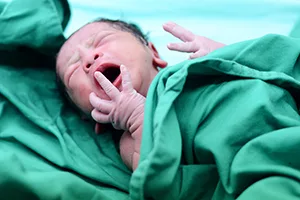
Brachial plexus injuries are among the more recognizable birth injuries because the signs often appear immediately: a newborn may not move one arm, may hold it limp against the body, or may have a weakened grip on that side.
The most common scenario involves shoulder dystocia, where the baby’s shoulder becomes lodged behind the mother’s pubic bone during delivery. If the provider applies excessive lateral traction to the baby’s head or neck instead of using recognized obstetric maneuvers to free the shoulder, the brachial plexus nerves can be overstretched or torn. Improper use of forceps or a vacuum extractor and the mishandling of a breech delivery can also contribute. You can read more about the underlying delivery complication on our shoulder dystocia page.
Brachial plexus injuries range from a temporary stretch (neurapraxia) that resolves within weeks to a complete avulsion in which the nerve root is torn from the spinal cord. More severe injuries may require physical therapy, nerve graft or nerve transfer surgery, or tendon transfer procedures, and some children are left with lasting limitations in arm and hand function. A claim can seek compensation for these medical costs, future care, and the child’s diminished function and quality of life. These cases are a form of medical malpractice.
Under 735 ILCS 5/13-212(b), a claim for a child’s injury may generally be brought up to eight years after the negligent act, but never after the child turns 22. Illinois also requires a supporting affidavit and report from a qualified health professional under 735 ILCS 5/2-622. An attorney can help you understand how these rules apply to your child’s situation.
Brachial plexus injury is the general term for damage to the nerve network serving the arm. Erb’s palsy is a specific type that affects the upper nerves controlling the shoulder and upper arm. Erb’s palsy is the most common form of brachial plexus birth injury.
Many milder brachial plexus injuries improve within the first months of life, especially with therapy. More severe injuries may require surgery and can leave permanent limitations. The outlook depends on the type and extent of the nerve damage, which a pediatric specialist can assess.
Not every brachial plexus injury is malpractice. It becomes a claim when a provider applied excessive force or failed to use recognized maneuvers to manage a difficult delivery. We review the delivery records with qualified physicians to determine whether the standard of care was met.
For a child’s injury, Illinois generally allows up to eight years after the negligence, but never past the 22nd birthday, under 735 ILCS 5/13-212(b). Because exceptions can apply, it is best to consult an attorney without delay.
We offer free consultations and handle birth injury cases on a contingency-fee basis, meaning there is no attorney fee unless we recover compensation for your family.
"*" indicates required fields